Operating under In-House Services Canada Inc.
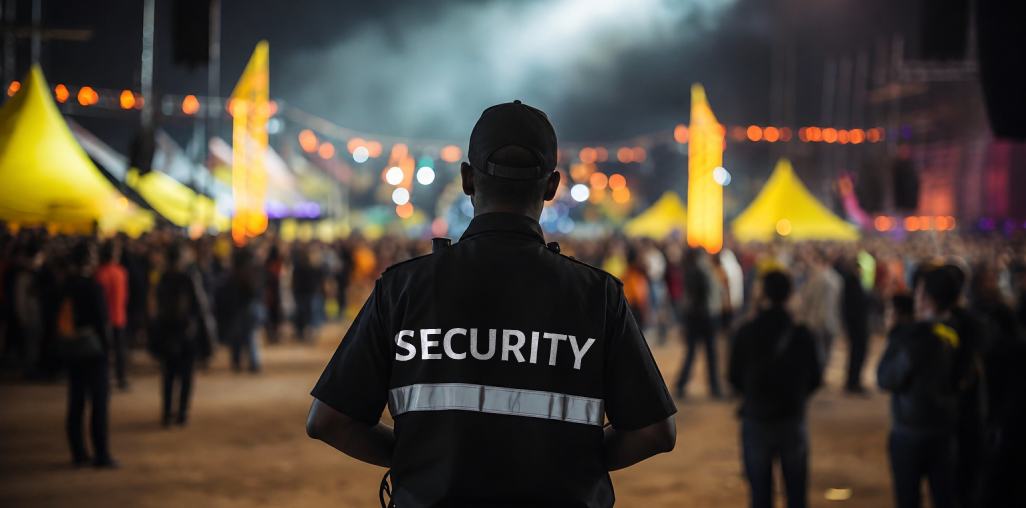
One blocked entrance. One unclear instruction. One crowded corridor. Suddenly, a calm event can become difficult to manage. Event Security plays a key role in helping organizers monitor crowd movement, manage access points, and respond to problems before confusion spreads.
For event organizers and venue managers in Mississauga, crowd management should never be treated as an afterthought. Concerts, festivals, corporate gatherings, private functions, and public events can all face pressure when guest movement is not planned properly.
A few small oversights can create bottlenecks, arguments, blocked routes, or confusion between staff members. Planning ahead can help reduce these problems and support smoother event operations.
Event security includes the planning and on-site duties used to support orderly event operations. Event security guards may monitor entrances, exits, restricted zones, parking areas, queues, and busy sections of a venue.
Crowd management matters because people rarely move evenly through a venue. Guests may gather around a stage, ticket checkpoint, food area, entrance, or popular attraction. Without a clear plan, one busy area can quickly affect nearby spaces.
Security personnel may help identify movement concerns before guests arrive. They can review the venue layout, monitor crowd flow, watch access points, and communicate with event staff when conditions change.
Planning should begin before doors open. By reviewing guest numbers, venue layout, event timing, and potential pressure points, organizers can make more informed decisions about staffing and crowd control.
A single narrow entrance can create long lines, blocked walkways, and pressure near the front of a venue. The same issue can occur at the end of an event when large numbers of guests attempt to leave through one route.
For example, a festival may have several thousand guests arriving within a short period. If everyone is directed toward one checkpoint, it may cause the queue to spill into pedestrian areas or disrupt other event operations. If everyone is directed toward one checkpoint, the queue may spread into pedestrian areas or interfere with other event operations.
Event security guards may help monitor queues, direct guests when needed, and watch for crowd movement that begins affecting nearby areas. Exit planning also matters, especially when several groups leave at the same time.
Planning for fewer guests than expected can create pressure across the entire event site. More people may mean longer queues, crowded parking areas, busy entrances, and increased demand on staff.
A corporate event may suddenly attract more attendees because of last-minute registrations. A public festival may also draw more visitors than expected due to weather or nearby activities.
Event security planning should account for expected attendance while considering how people may move through the venue. Staffing levels and patrol coverage should reflect the size, layout, and schedule of the event.
Certain areas naturally attract more people. These may include narrow corridors, stairways, ticket checkpoints, food and beverage areas, stage fronts, and popular attractions.
When these locations are overlooked, guests may stop suddenly or gather in ways that restrict movement. At a concert, for example, a large group may gather near one entrance while another access point remains almost empty.
Event security personnel may help identify these high-traffic zones before the event begins. During the event, guards can monitor movement and report changing conditions to the event team.
Even a well-planned event can face problems when staff members do not know who is responsible for specific tasks.
Imagine a venue team noticing a blocked walkway while security guards are dealing with a separate issue. If nobody knows who should respond, the problem may remain unresolved longer than necessary.
Clear communication between event organizers, venue staff, security guards, and other teams helps create a more coordinated response. Event security teams may follow agreed communication procedures and report concerns as they develop.
Equipment, vehicles, temporary structures, or crowds can create problems when they occupy access routes that need to remain clear.
A delivery vehicle parked near a restricted access point may seem harmless during setup. Later, the same obstruction could make movement more difficult for authorized responders or venue personnel.
Security teams may help monitor restricted areas and identify blocked routes during event operations. Clear access should be part of the venue review before guests arrive, not something considered only after a problem develops.
Arguments, disruptive behaviour, or growing tension may begin with a small disagreement. Waiting too long to assess the situation can make the response more difficult.
For example, a dispute near a queue may attract attention from nearby guests. As more people stop to watch, the original issue can begin affecting crowd movement.
Trained event security guards may observe developing situations and respond according to the event plan. Early communication and appropriate action can help prevent a small disruption from affecting a larger area.
A single guard cannot be in multiple locations at once. This becomes especially important at large venues with several entrances, exits, restricted areas, parking zones, and busy gathering points.
A sporting event may require coverage around the main entrance, seating areas, parking zones, and staff-only areas. A public gathering may also require monitoring across a much larger footprint.
Event security planning should consider venue size, guest numbers, event type, layout, operating hours, and possible crowd pressure points. Clear responsibilities can help each guard focus on the area assigned to them.
Security for events involves more than standing at an entrance. Depending on the event plan, security personnel may assist with several practical duties:
The exact duties can vary based on the venue, guest numbers, event schedule, and instructions provided by the organizer.
Mississauga hosts a wide range of gatherings, from festivals and concerts to corporate events, sporting activities, private functions, retail promotions, and community gatherings.
Each event can create different movement patterns. A venue near busy roads may face parking and pedestrian traffic concerns. A large outdoor event may need planning for changing weather conditions. A corporate gathering may involve multiple registration points and timed sessions.
Event timing also matters. Guests arriving at the same time may create pressure at entrances, while a sudden departure may create crowded exits and parking areas.
Local organizers should consider the venue layout, expected attendance, transportation, parking, weather, and event schedule when planning crowd control.
Your event may need a closer review if:
These signs do not automatically mean an event will face a serious incident. They indicate that the event plan may need a closer review of staffing, access, communication, and crowd movement.
Event security may monitor entrances, exits, queues, restricted areas, high-traffic zones, and potential disruptions. Duties depend on the event plan and venue requirements.
The number can depend on guest numbers, venue size, layout, event type, entrances, exits, operating hours, and specific areas requiring monitoring.
Yes. Security personnel may help monitor crowd movement, manage queues, observe busy areas, direct guests when appropriate, and communicate concerns to event organizers.
Planning should begin during the preparation stage, before guests arrive. Reviewing the site layout, expected attendance, access points, and event schedule can help identify staffing needs.
Concerts, festivals, sporting events, corporate gatherings, private functions, community events, retail promotions, and large public gatherings may all require crowd planning.
Yes. Guards may be assigned to entrances, exits, staff-only areas, restricted zones, parking locations, and other parts of the venue according to the event plan.
Crowd management problems often begin with small oversights. A blocked route, unclear communication, poor entry planning, limited staffing, or an unmonitored busy area can create challenges during a busy event.
Event organizers in Mississauga should review crowd movement before guests arrive. A clear plan can help staff understand their responsibilities and allow security personnel to focus on assigned areas.
Planning an event in Mississauga? Call InHouseWolfPack Security at +1 647 895 7478 to discuss your event security needs.